Timekeeping In Japan
For much of Japan’s history, time followed the natural world. Daylight was divided into hours that changed in length with the seasons, longer or shorter depending on the movement of the sun.
Shinji Hattori explains that his great-grandfather, Kintaro Hattori, saw the importance of creating a precise measure of time that remained constant through summer and winter, and sharing it with everyone. He understood that standardized time would play an important role in Japan’s modernization.
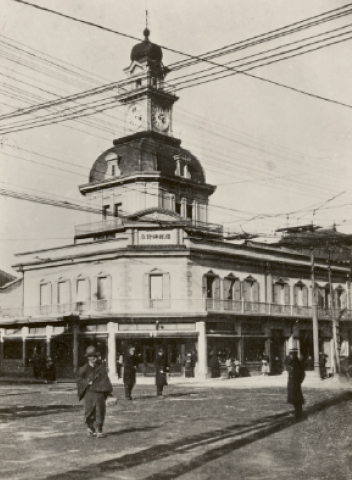
In 1881, Kintaro founded K. Hattori & Co. that would become Seiko, beginning a lifelong pursuit of making time precise, reliable and shared.
-
Alarm and Calendar Lantern Clock with Double Foliot Balance, Late Edo Period (19th century)
-
Chushingura Hakkei: Act II, 1865
-
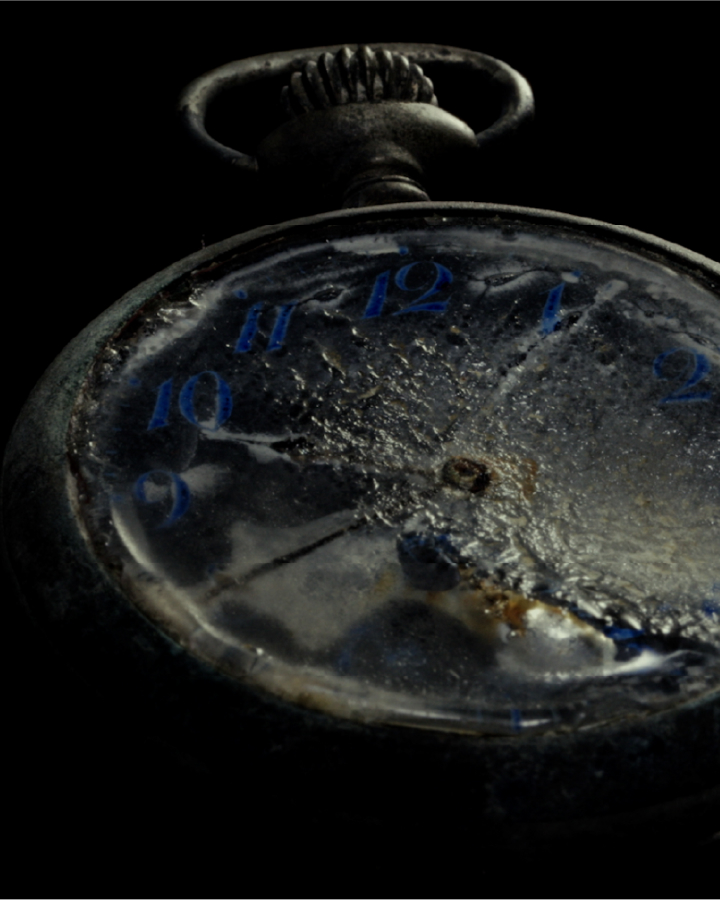
Pocket Watches burned in the Great Kanto Earthquake
-
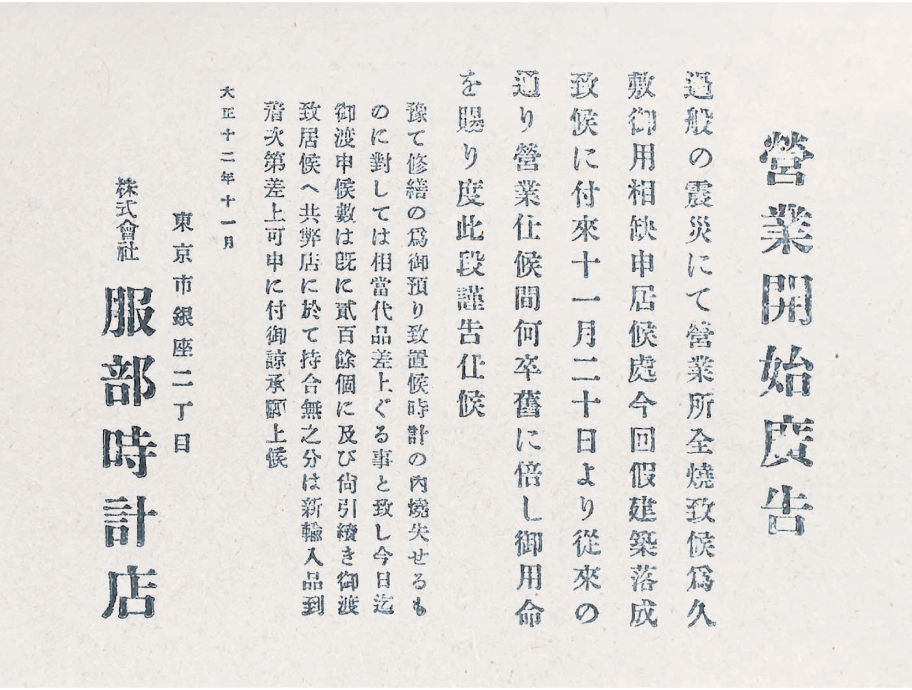
Notice of replacement for destroyed watches


